How to Actually Know What to Post Next (Instead of Guessing)
Deciding what to post next shouldn't mean checking five separate dashboards by hand. Here's a weekly review that turns last week's numbers into your next post.
Product updates, tips, and content-distribution practices.

Deciding what to post next shouldn't mean checking five separate dashboards by hand. Here's a weekly review that turns last week's numbers into your next post.

Auto publish to Hashnode used to mean a free GraphQL API and a couple of mutations. As of May 2026 that API sits behind Hashnode Pro. Here's what changed and what still works.

Social media automation software automates scheduling on nearly every platform, but auto-replying to comments and DMs and pulling real analytics only works where the platform hands out an API for it.

Auto publish to Substack workflows all run into the same wall: Substack's own Developer API only returns public profile data, not a way to post. Here's what that means in practice.

Repurposing one post across platforms means rewriting length, format, and image specs for Reddit, X, Medium, Dev.to, Tumblr, and Pinterest, not copy-pasting the same draft six times.
ChatGPT can now reach social media through Developer Mode MCP connectors, but plan tiers, Agent Mode limits, and each platform's own API still decide what gets published.

Batch scheduling social media posts doesn't hurt engagement, but Reddit, Medium, and Dev.to barely support it, and nobody answers the comments while you're away.

OpenCLI turns your logged-in browser into a CLI an agent can drive, but only on the machine it's installed on. Here's what breaks when the agent lives in the cloud instead.

A real comparison of the best multi-platform publishing tools in 2026: Buffer, Publer, Postiz, Blog2Social, Ayrshare, and PostEverywhere, with actual pricing, platform counts, and the one limit most of them share.

Publishing to multiple platforms at once hits a different wall on every network: some enforce a hard numeric rate limit, others judge you on posting behavior alone. Here's the difference, and how to sequence it safely.

AI auto-reply to DMs and comments is an easy pitch and a messy reality: LinkedIn bans it outright, X and Reddit allow it under conditions, and Threads and Bluesky each draw the line somewhere else again.

Most cross-posting tool reviews are written for agencies. Here's what a solo creator should check: canonical URLs, per-platform formatting, and whether it's built for one person.

Medium's public API stopped accepting new integrations years ago, so auto publish to Medium workflows built on API keys mostly don't work anymore. Here is what still does.

Agentic tools promise AI agents that run social accounts end to end. The real limit isn't the AI, it's content differentiation and disclosure compliance across accounts. Here's the actual boundary.

Dev.to has one of the friendliest APIs of any writing platform, but it still means an API key in a CI secret, a 10-requests-per-30-seconds ceiling, and no native scheduling. Here is what that setup covers and what it doesn't.

A real look at content distribution tools: whether they adapt content per platform, cover platforms with no public posting API, and catch replies after you post.

Testing an AI agent before it posts to social media means proving it out in a draft or dry-run state first. Here's the three-gate method: read-only probe, draft dry run, then a separate real submit.
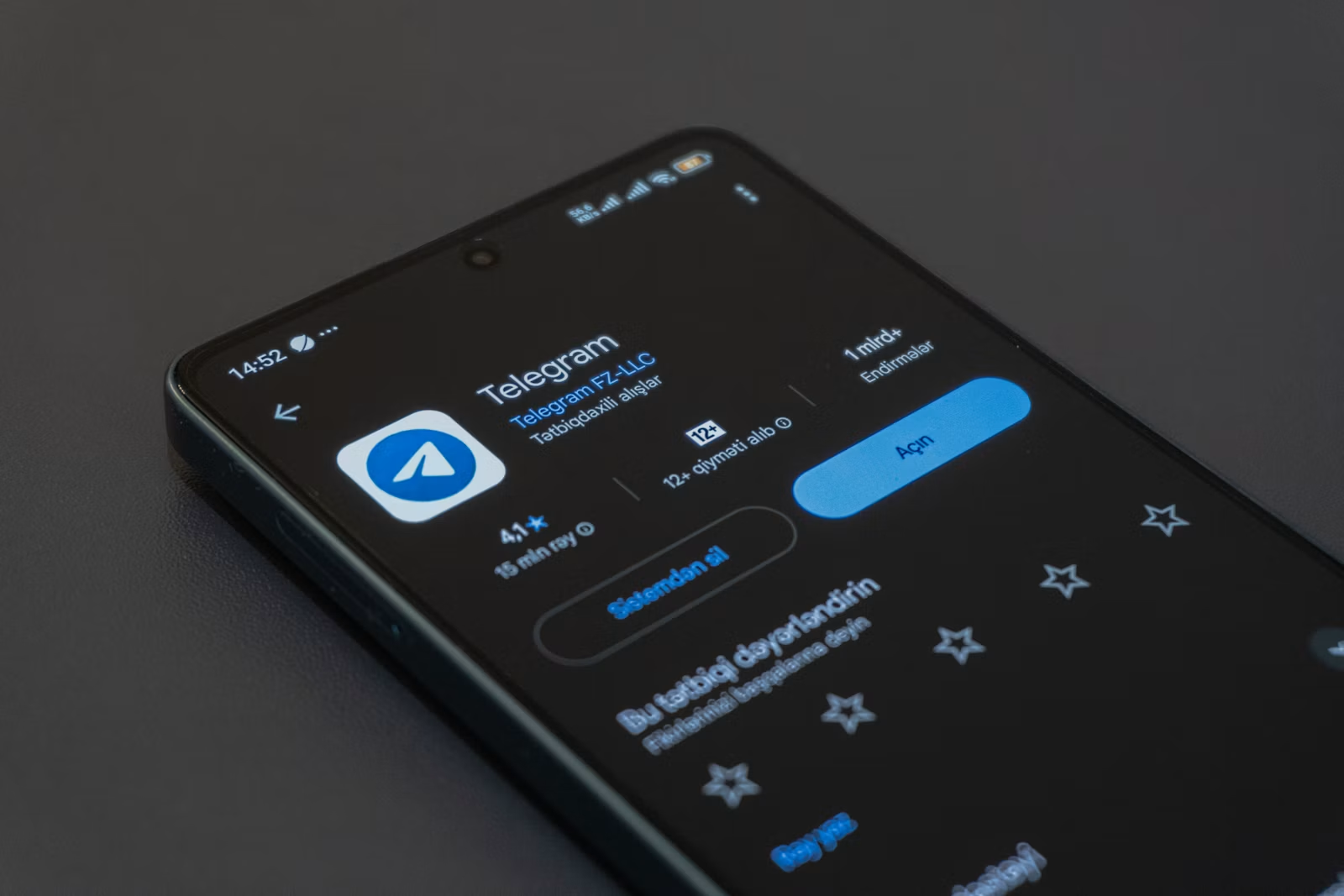
Telegram's Bot API lets you post to a telegram channel automatically in minutes with no app review, but a bot can't act as your personal account. Here's the real split and where each side breaks.

Mastodon splits into thousands of independent servers, each with its own rate limits and caps. Here's what it takes to cross-post to Mastodon automatically.

Bluesky's API is free and open, no App Review queue required. Here's how to post to Bluesky automatically anyway, what the rate limits actually allow, and the one-account alternative.

You can auto post to Threads through Meta's own API, but publishing requires registering an app and clearing App Review first. Here's that path, its limits, and the browser-session alternative.

A social media cross-posting tool for X, Threads, Bluesky, and Mastodon has to handle four different character limits and posting mechanisms. Here's what separates the options.

LinkedIn's own scheduler is free and covers the basics. Automating LinkedIn posts with AI usually means either LinkedIn's Community Management API, which requires an approved app, or a tool that runs through the session you already log into.

AI social media automation gets sold as one product, but it's really three bundled under one label, and only one of them acts on your account instead of your calendar.

Connecting AI to social media posting usually means one of three setups: your own API app, a hosted unified API, or an MCP server wrapping either. Here's what each one actually hands over.

Automating Reddit posting means either clearing Reddit's developer approval queue or driving your own logged-in session, and its Responsible Builder Policy bans identical cross-subreddit posts either way.

Claude can auto-publish to social media today through MCP connectors like Postiz and Buffer, not Anthropic's Skills API, which handles files, not platform posting.

Most teams manage social media accounts by passing one password around a shared doc. LinkedIn, X, Meta, Pinterest, Tumblr, and Substack already built official roles that skip that step entirely.
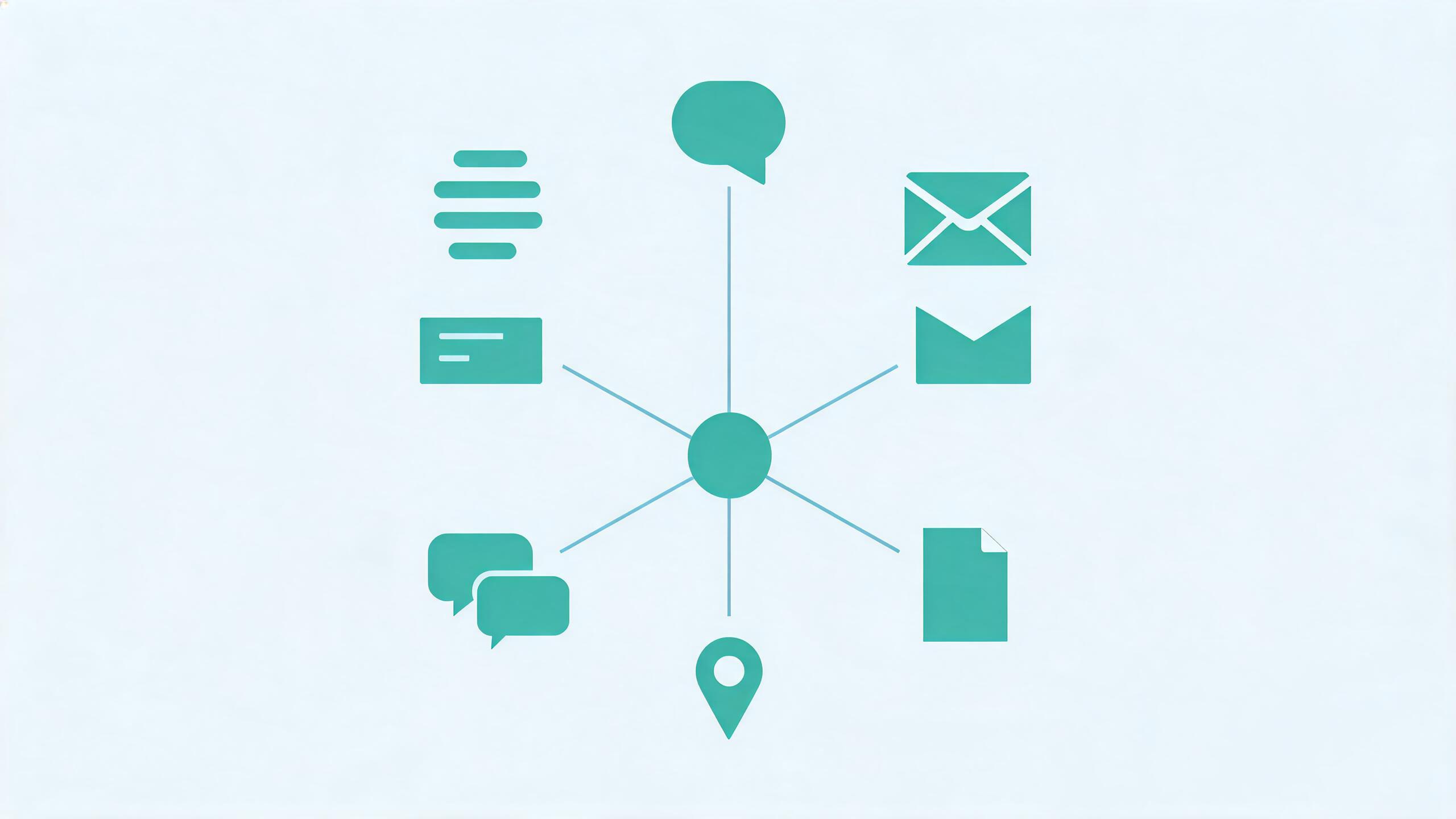
Publish everywhere from one place sounds like a single button. In practice it's three separate promises, and most tools that nail the first one quietly drop Reddit, Dev.to, and the comment inbox.

Turning comments and DMs into leads is mostly a speed problem across LinkedIn, X, and Reddit, where a good reply after a day is worth less than a mediocre one after five minutes. Here's what works.

A pinterest auto pin scheduler covers the queue, but board strategy, descriptions, and replying to comments still need a human or an AI. Here's what's native, what's API, and what's left.

Tumblr's native queue and a full OAuth API both exist for auto post to Tumblr workflows. Here's what each covers, what its Community Guidelines say about automation, and what's left once Tumblr is one of six platforms.

AI analytics for social media posts sounds like one feature. In practice LinkedIn gates it to 11 approved vendors, X charges per read, Dev.to gives it away free, and Reddit has no API for it at all.

Shadowbans don't come with a notice, so auto-posting workflows often run for weeks before anyone notices reach dropped to zero. Here's what actually trips the filter, and what doesn't.

Most MCP servers for publishing content post through official platform APIs, which quietly rules out anything without a public one. Here is that model, where it breaks, and the local-execution alternative.

X is retiring its last flat-rate API plans in 2026 and now bills per tweet, per read, and even per webhook event. Here is the other way to let an AI agent post to X: drive your own logged-in browser session instead of the metered API, and what that does and doesn't protect you from.

Most AI agents can draft a Reddit post or an X thread in seconds but can't publish it. Here's how PublishPort lets an AI agent post to social media through your own logged-in browser session, no OAuth tokens stored on a third-party server.

Local-first content automation posts through your own logged-in session instead of a hosted API integration. Here's why Reddit, Threads, and Medium make that the practical choice, and when the official API is still better.